

Factory Packing and Loading Stone Veneer for Domestic & Export Delivery
- 1. Why Proper Stone Veneer Packing Is Important
- 2. Stone Veneer Factory Packing Process
- 3. Quality Inspection
- 4. Sorting and Counting
- 5. Protective Packaging
- 6. Palletizing
- 7. Labelling
- 8. Factory Loading of Stone Veneer
- 9. Domestic Delivery of Stone Veneer
- 10. Export Packing and Loading of Stone Veneer
- 11. Importance of Efficient Container Loading
- 12. Stone Veneer Packaging for Long-Distance Transportation
- 13. Quality Control Before Dispatch
- 14. Why Choose a Professional Stone Veneer Manufacturer?
- 15. Frequently Asked Questions
Why Proper Stone Veneer Packing Is Important
Stone veneer is a natural or stone-based decorative material that requires careful handling during transportation. Poor packaging can result in broken pieces, chipped edges, surface damage, or improper stacking.
Professional factory packing provides several benefits:
- Protects stone veneer from breakage and impact
- Reduces scratches and surface damage
- Keeps products organized during transportation
- Makes loading and unloading easier
- Improves protection during long-distance shipping
- Helps maintain product quality during export transportation
- Allows efficient use of truck and container space
For manufacturers and exporters, proper packaging is an important part of delivering a reliable customer experience.
Stone Veneer Factory Packing Process
The packing process generally begins after production and quality inspection. Each batch is checked before it is prepared for shipment.
1. Quality Inspection
Before packing, the stone veneer is inspected for:
- Size and dimensions
- Thickness
- Surface finish
- Colour and texture
- Edge condition
- Cracks or visible defects
- Quantity and product specifications
Only approved products are prepared for dispatch.
2. Sorting and Counting
The stone veneer pieces are sorted according to product type, size, colour, finish, and customer requirements.
The products are then counted carefully to ensure that the correct quantity is packed for the order.
3. Protective Packaging
Suitable protective materials are used to minimize movement and impact during transportation.
Depending on the product and shipment requirements, packaging may include:
- Protective sheets
- Corrugated materials
- Foam or cushioning
- Plastic wrapping
- Cartons
- Wooden crates
- Wooden pallets
- Strapping materials
The objective is to provide stability while protecting the stone veneer surfaces and edges.
4. Palletizing
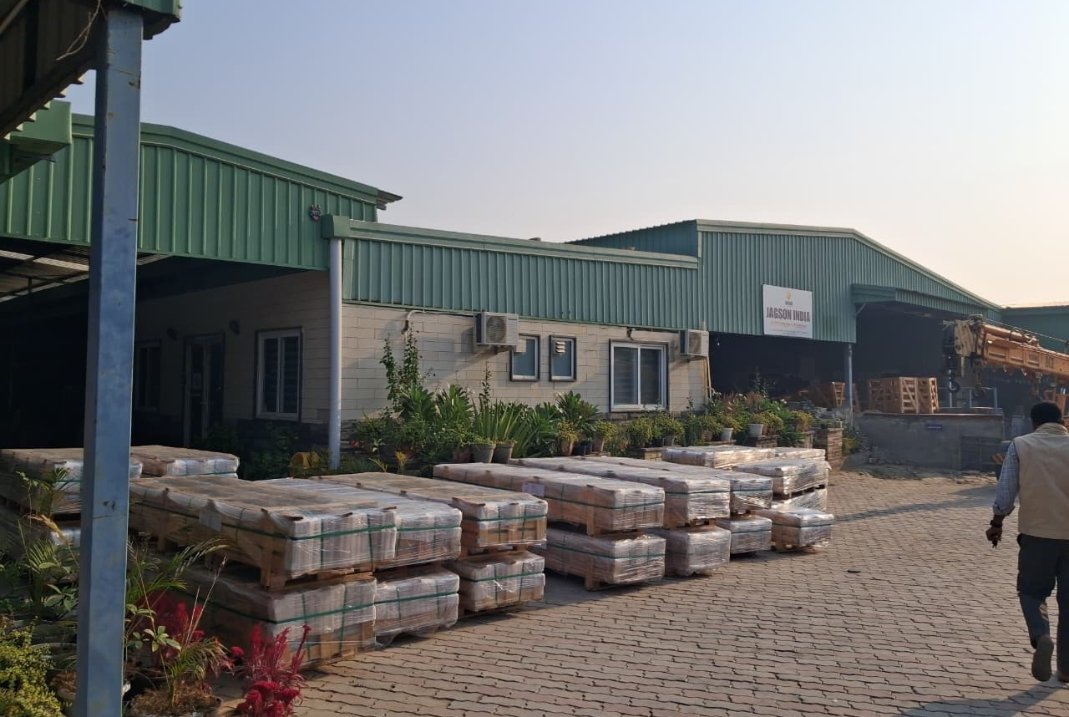
For larger shipments, stone veneer is often arranged on pallets. Palletized packing makes handling easier with forklifts and other material-handling equipment.
The products are positioned securely and strapped or wrapped to reduce movement during transportation.
5. Labelling
Each package or pallet can be labelled with relevant shipment information, such as:
- Product name
- Product code
- Quantity
- Batch information
- Customer details
- Destination
- Handling instructions
Clear labelling helps warehouse and logistics teams identify products quickly.
Factory Loading of Stone Veneer
After packing is completed, the next important step is factory loading stone veneer for transportation.
Loading requires careful planning because excessive movement, pressure, or improper stacking can damage the products.
Step 1: Preparing the Vehicle or Container
Before loading, the truck or shipping container is checked to ensure that it is clean, dry, and suitable for the shipment.
The loading area should be free from materials that could scratch or damage the stone veneer packaging.
Step 2: Arranging the Packages
Packed stone veneer is arranged according to the shipment plan.
Heavy packages are generally positioned appropriately to maintain stability, while fragile or sensitive products are protected from excessive pressure.
Step 3: Using Handling Equipment
Forklifts, pallet trucks, or other suitable equipment may be used for palletized shipments.
Careful handling helps reduce the possibility of dropping, dragging, or impacting the packages.
Step 4: Securing the Load
Once the products are inside the vehicle or container, the load is secured to minimize movement during transportation.
Depending on the shipment, straps, separators, blocking materials, or other protective methods can be used.
Step 5: Final Loading Inspection
Before the vehicle or container leaves the factory, the shipment is checked again.
The team verifies:
- Number of packages
- Product quantity
- Packaging condition
- Labelling
- Loading arrangement
- Shipping documentation
This final inspection helps reduce dispatch errors.
Domestic Delivery of Stone Veneer
For domestic orders, stone veneer can be transported by road across different cities and regions in India.
Proper packaging is especially important when the material is travelling long distances by truck. Roads, loading and unloading operations, and multiple handling points can expose packages to vibration and impact.
Well-organized factory packing and loading helps minimize these transportation risks.
Export Packing and Loading of Stone Veneer
Export shipments require additional planning because products may travel through multiple stages, including factory transportation, port handling, container movement, and international shipping.
Export packing may involve stronger protective packaging and container-specific loading arrangements.
Manufacturers and exporters should consider:
- Container dimensions
- Shipment weight
- Product quantity
- Pallet configuration
- Protection against movement
- Moisture protection where required
- International handling requirements
- Export documentation
Efficient container loading can also help maximize available space while maintaining product safety.
Importance of Efficient Container Loading
For international stone veneer shipments, efficient container loading is important for both product protection and logistics costs.
The goal is to use the available container space effectively without overloading or placing excessive pressure on the products.
A properly planned loading arrangement can:
- Improve space utilization
- Reduce unnecessary movement
- Protect packages during transit
- Simplify unloading
- Improve shipment organization
Experienced stone veneer manufacturers understand that loading is not simply about filling a container. It requires careful planning based on the product, packaging, weight, and destination.
Stone Veneer Packaging for Long-Distance Transportation
Long-distance transportation requires stronger attention to packaging and handling.
Depending on the product specification, manufacturers may use combinations of cartons, pallets, protective wrapping, cushioning, and wooden packaging.
The packaging should be selected according to the type of stone veneer, shipment method, and transportation distance.
Quality Control Before Dispatch
A professional dispatch process should include a final quality check before shipment.
The quality-control team can verify:
- Correct product
- Correct quantity
- Correct dimensions
- Proper surface finish
- Secure packaging
- Correct labels
- Proper pallet arrangement
- Safe loading
- Complete shipping documentation
This systematic approach helps ensure that customers receive the products according to their order requirements.
Why Choose a Professional Stone Veneer Manufacturer?
When purchasing stone veneer for residential, commercial, architectural, or export projects, buyers should consider more than product appearance.
A reliable manufacturer should have a professional approach to:
- Product manufacturing
- Quality control
- Factory packing
- Warehouse handling
- Loading
- Domestic logistics
- Export shipments
- Customer-specific requirements
Good packaging and loading practices demonstrate attention to product quality from the factory to the final destination.
Conclusion
Professional factory packing and loading stone veneer plays an important role in maintaining product quality during transportation. From quality inspection and protective packaging to palletizing, container loading, and final dispatch checks, every stage contributes to safer delivery.
For domestic and international customers, choosing a stone veneer manufacturer with an organized packing and loading process can help reduce transportation risks and ensure a smoother supply experience.
Whether the requirement is for an architectural project, residential application, commercial development, or export shipment, properly packed and securely loaded stone veneer is essential for reliable delivery.
Frequently Asked Questions (FAQs)
Conclusion
Professional factory packing and loading stone veneer plays an important role in maintaining product quality during transportation. From quality inspection and protective packaging to palletizing, container loading, and final dispatch checks, every stage contributes to safer delivery. For domestic and international customers, choosing a stone veneer manufacturer with an organized packing and loading process can help reduce transportation risks and ensure a smoother supply experience.